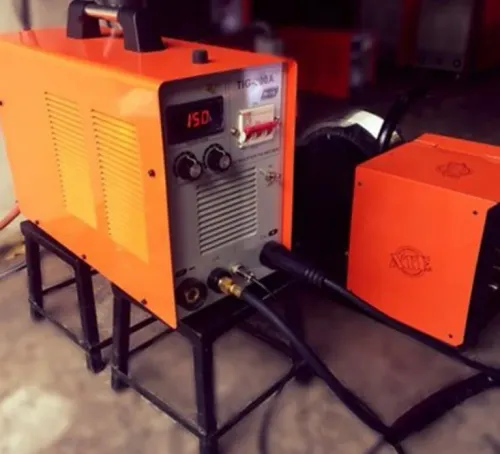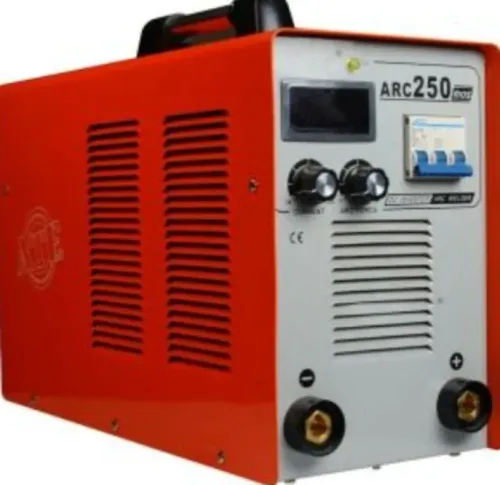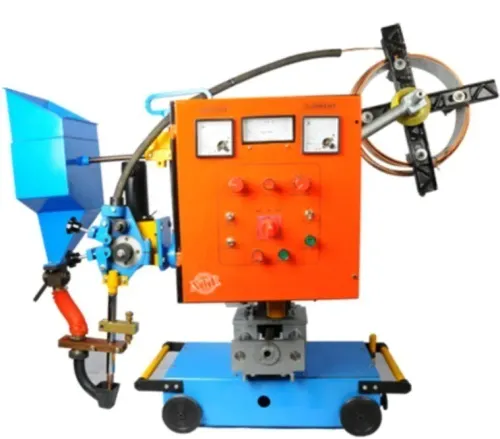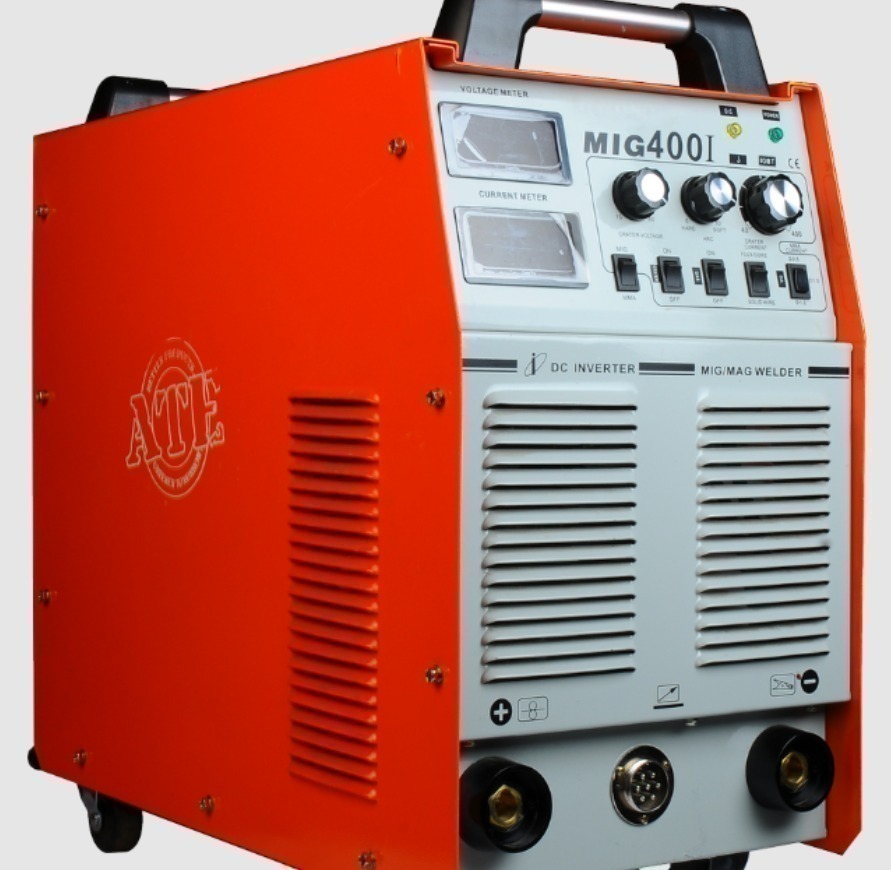
Choosing a MIG TIG machine often raises an important question for manufacturers: is it better to have one versatile solution or separate machines dedicated to different welding applications? The answer depends on production requirements, material diversity, and long-term business objectives.
Manufacturing facilities in Pune frequently handle a variety of fabrication projects involving mild steel, stainless steel, and aluminium. Some jobs prioritise speed and productivity, while others demand precise, visually appealing welds. A machine capable of supporting both MIG and TIG welding provides flexibility that many growing businesses find valuable.
MIG welding is generally preferred for faster production and repetitive fabrication tasks. It offers higher welding speeds and works well in manufacturing environments where efficiency is essential. TIG welding, by comparison, delivers greater precision and cleaner welds, making it suitable for applications where finish quality and accuracy cannot be compromised.
Having access to both processes allows fabrication teams to adapt to changing customer requirements without investing in multiple standalone systems. This flexibility is particularly useful for contract manufacturers who work on diverse industrial projects throughout the year.
Technology has also advanced considerably. Modern multi-process welding machines include digital interfaces, programmable settings, inverter technology, and energy-efficient designs that simplify operation while improving weld consistency. These features help reduce setup time and improve overall production efficiency.
When selecting a MIG TIG machine, businesses should evaluate output capacity, duty cycle, ease of operation, service availability, and compatibility with future automation requirements. Purchasing equipment based solely on current projects may limit production flexibility as business demands evolve.
ATE Welding Engineering Robotics and Automation Private Limited develops welding solutions that support manufacturers looking for dependable performance across multiple industrial applications. Reliable equipment enables businesses to maintain quality standards while responding efficiently to changing production requirements.
As Pune continues strengthening its position as a leading manufacturing destination, companies are increasingly investing in flexible technologies that improve operational efficiency and support sustainable growth. Welding equipment that adapts to different fabrication needs becomes an important part of that strategy.
If your business handles a variety of welding applications, evaluating the capabilities of a MIG TIG machine can help create a more adaptable manufacturing process while supporting consistent quality, improved productivity, and long-term operational success.