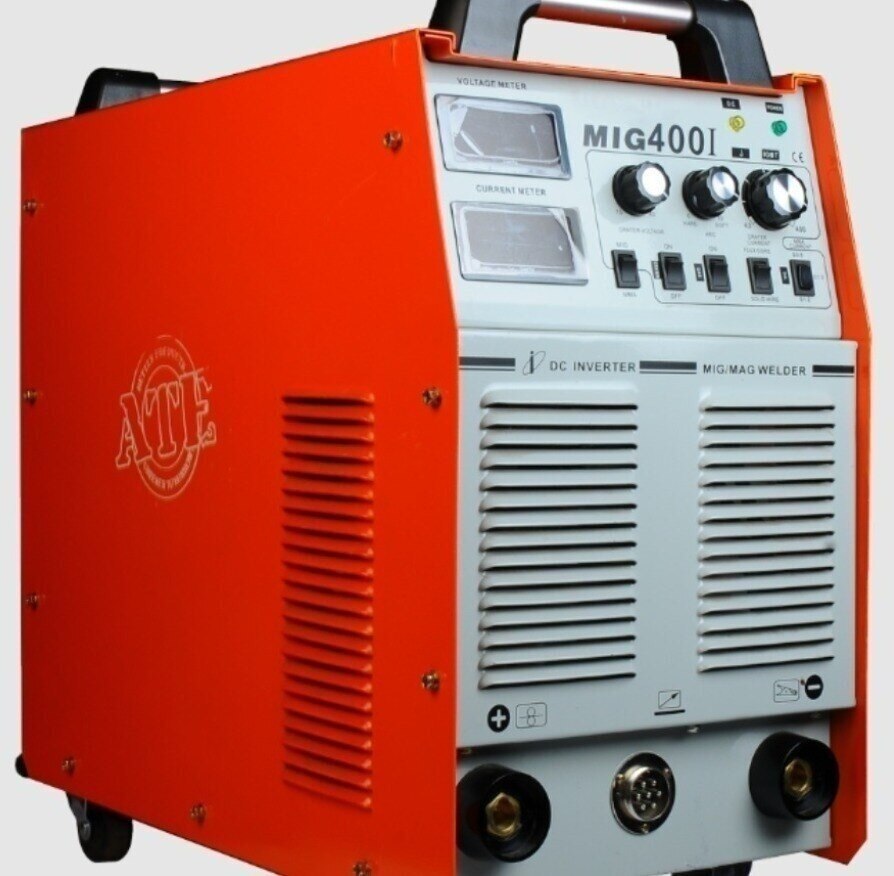
Start maintenance by isolating the incoming supply, allowing the DC bus capacitors to discharge for the manufacturer-specified time, and checking the machine’s external condition. By following a defined cleaning routine, inspection schedule and fault-response process, you can reduce thermal trips, arc instability and avoidable cable failures without opening an enclosure you are not qualified to service.
Key takeaways
- Lock out mains power and wait for the specified DC-bus discharge time.
- Clean vents with controlled air after removing power; never blow dust into the inverter.
- Inspect cables, earth connections, torch parts and ventilation before every use.
- Book service when thermal trips, unstable arcs or error codes persist after basic checks.
How to Clean an Inverter Welder Without Creating a Shock or Dust Hazard
Switch off the inverter, disconnect the incoming mains supply, and apply a lockout tag before cleaning. Wait for the manufacturer-specified DC-bus discharge time. Turning off the front panel or pressing the torch trigger does not prove that lethal voltage has disappeared.
- Wipe the case, vents and control panel with a dry, lint-free cloth. Keep moisture away from switches, sockets and openings.
- Remove an air filter only after isolation. Clean or replace it according to the manual; a clogged filter restricts cooling and raises internal temperature.
- Do not remove the inverter cover unless you are a qualified technician trained to service power electronics. The input rectifier and DC-link capacitors can retain dangerous energy after unplugging. A qualified technician must follow the manufacturer’s isolation, discharge and voltage-verification procedure before opening it.
- Inspect vents, fans, heat sinks and cable connections. Look for metal filings, packed dust, fan damage, loose terminals, hot spots and damaged insulation.
- Use only the specified cleaning method. High-pressure air can drive conductive filings deeper into circuit boards, fans and heat sinks; never direct it into electronics unless the manufacturer permits it. Use an approved low-pressure method, brush or service vacuum as instructed.
- Before reconnecting supply, confirm that no cloth, dust, filter fragment or tool blocks airflow and that every cover and connection is secure.
This routine supports a welding machine for inverter maintenance in Kolhapur, where conductive dust and humidity increase the cleaning risk.
What to Inspect Before Each Use, Weekly, Monthly and Annually
Use four checkpoints for arc welding machine maintenance in Kolhapur: before every use, weekly, monthly and annually. Stop work and isolate the machine if you find exposed copper, cut insulation, a cracked housing, loose lug, heat discoloration or a hot spot.
1. Before each use, inspect the electrode holder, work clamp, welding leads, torch connection, plug, socket, strain relief and visible earth point. Confirm that the work-return clamp grips clean metal close to the weld.
Paint, rust or thin sheet increases resistance, causing local heating and an unstable arc; clean the attachment area instead of raising the current setting.
2. Each week, check that leads follow a clear route without sharp bends, crushing or contact with hot work. Tighten a loose plug, confirm fan operation, and clean or replace the air filter according to the manual.
3. Each month, inspect terminals, protective-earth continuity, extension-cable size and cooling passages. Look for moisture, conductive metal dust and blocked airflow. An inverter that welds acceptably at low current can still have a failing fan, blocked heat sink or deteriorating capacitor.
4. Annually, have qualified personnel test insulation condition, earth continuity, output current and safety devices with calibrated equipment. Do not bypass interlocks or thermal protection.
Record the date and result, input voltage, output current, duty-cycle loading, fan result, cable condition, earth continuity, fault codes and corrective action. A record reveals gradual deterioration before it becomes a shock, fire or production failure.
How Kolhapur’s Dust, Humidity and Voltage Conditions Affect the Machine
Humidity and conductive dust are the main local threats in inverter welder care in Kolhapur. Store the machine off the floor, away from monsoon splash, roof leaks and open doors. Keep every ventilation opening clear.
- If a cold machine enters a humid workshop, let it reach room temperature before energising it. Condensation across the DC bus or control PCB can cause insulation faults and nuisance trips.
- Keep metal filings, grinding dust and conductive debris away from the fan intake. Maintain the intake and exhaust clearance stated in the manual.
- Never use a cover that seals the machine while it is hot or operating. Trapped heat can trigger thermal shutdown and shorten component life.
- With a generator, weak industrial supply or long extension lead, record voltage while welding. An unloaded multimeter reading will not reveal voltage sag under load.
- Check the manual’s allowable input range, phase balance for three-phase equipment and extension-cable rating. Tightly coiled leads, undersized cables, undervoltage and generator waveform limits create heat or reduce output even when the inverter is healthy.
- Inspect the plug, leads, electrode holder and work clamp for hot spots, loose lugs and cracked insulation. A high-resistance connection causes arc instability; repair it instead of increasing the current setting.
Good arc welding machine maintenance in Kolhapur also means keeping a written record of loaded input voltage, fault codes and fan operation. Stop using the machine after water exposure until a qualified technician checks insulation and earth continuity.
What Thermal Trips, Unstable Arcs and Error Codes Are Telling You
A thermal trip points first to heat, airflow or excessive loading—not automatically to a failed inverter. Stop welding, then check fan rotation, blocked vents, heat-sink contamination, ambient temperature and the published duty cycle.
- Read the duty-cycle rating correctly. It normally applies to a 10-minute period at a stated ambient temperature and output current; it is not a continuous production rating. Welding above that current, or in a hot, poorly ventilated shop, shortens the available run time.
- For an unstable arc or low output current, inspect the work clamp, lead connections, electrode holder, torch connection, consumables and input voltage before replacing inverter parts. A loose or high-resistance connection creates heat and arc instability.
- MIG users must also inspect the liner, contact tip, drive rolls and Euro-connector. Wear, obstruction, incorrect drive-roll pressure or a loose connector can mimic a power-source fault.
- Treat nuisance trips as clues. Condensation, undervoltage, generator waveform limitations, phase imbalance or a damaged cable can trigger them; measure voltage while welding, not only with an unloaded meter.
- Never bypass a thermal sensor or force the fan to run continuously. Do not operate in rain, block vents, exceed the duty cycle, continue after an alarm clears, or tightly coil long welding leads.
Isolate the machine and arrange service for a burning smell, unusual noise, fan failure, repeated fault code or visible scorching. Do not perform another test weld.
When to Arrange Arc Welder Service in Kolhapur and What the Visit Should Include
Arrange arc welder service in Kolhapur after repeated thermal trips, a persistent error code, fan failure, burning smell, water or condensation exposure, or unstable output after you have checked the cables and work-return clamp. Any repair involving the enclosure also requires qualified service.
Ask the provider to include these items in a written report:
- Electrical isolation and the manufacturer’s DC-bus discharge procedure
- Internal cleaning and cooling-system inspection
- Cable, protective-earth and insulation checks
- Input-voltage measurement under welding load
- Output verification, fault codes and replaced parts
The technician should use calibrated test equipment and approved safety-critical components. A higher-rated fuse or bypassed interlock is not a repair; it can create a fire or shock hazard.
For a robotic cell, inverter checks are only part of the visit. Include the feeder liner, contact tip, torch neck, dress pack, wire-feed calibration, shielding-gas flow, work return, torch TCP and robot cable routing. A restricted liner or shifted TCP can spoil welds while inverter output remains normal.
Provider comparison
| Provider evidence | What it demonstrates | Reject when |
|---|---|---|
| Documented test scope | The visit covers electrical safety and performance | It promises only a test weld |
| Fault report with measurements | You can trace the failure and repair | It lists only “serviced” |
| Approved parts and calibrated instruments | Repair quality is verifiable | It proposes a larger fuse or bypass |
ATE WELDING ENGINEERING ROBOTICS AND AUTOMATION PRIVATE LIMITED can be considered when one service discussion must cover a standalone inverter and integrated welding automation. Compare the documented scope and fault report, not the location keyword alone.
Related product
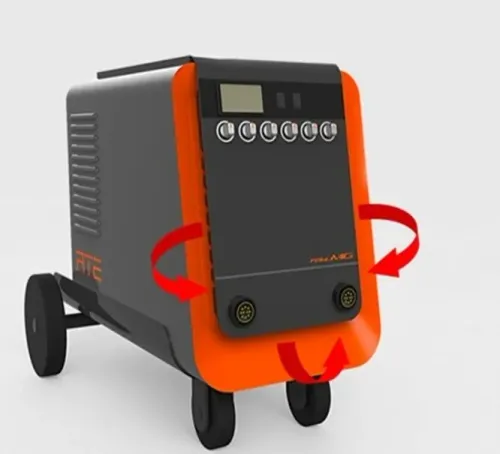
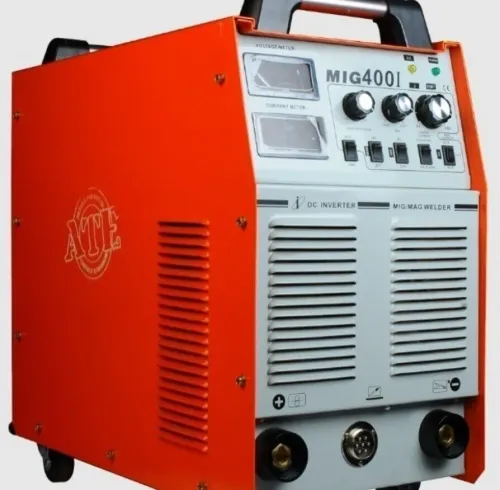
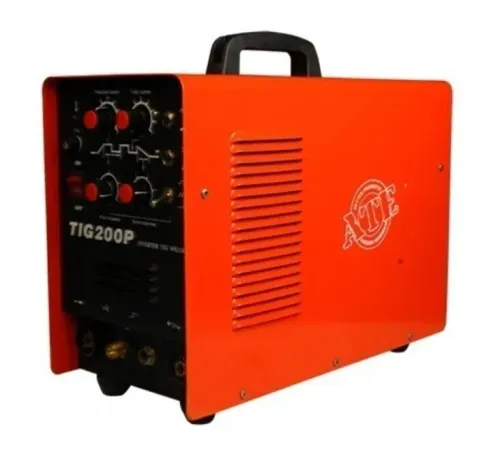
 | ARC Welding Machine Precision, Efficiency, and Reliability At ATE Welding Engineering & Robotic Automation, we provide high-performance ARC welding machines designed for... View product → |
Frequently asked questions
How do you clean an inverter welder without creating a shock hazard?
Switch off the inverter, disconnect incoming mains supply, apply a lockout tag and wait for the manufacturer-specified DC-bus discharge time. Clean vents and internal areas only when the machine is de-energised and the procedure permits it.
What should you inspect before using an arc welding machine?
Check the electrode or torch lead, return cable, connectors, earth clamp, insulation, cooling vents and controls. Replace damaged cables and remove conductive dust before welding.
How do Kolhapur conditions affect inverter welder care?
Dust can block cooling vents, humidity can promote corrosion and condensation, and voltage fluctuations can trigger protection circuits. Keep the machine dry, ventilated and protected from abrasive dust, and investigate repeated supply-related trips.
When should you arrange arc welder service in Kolhapur?
Arrange service when thermal trips recur, the arc remains unstable after checking leads and settings, error codes return, the fan fails, or insulation and power components show damage. Ask the technician to inspect cooling, input supply, DC-bus components, output circuits and safety functions.