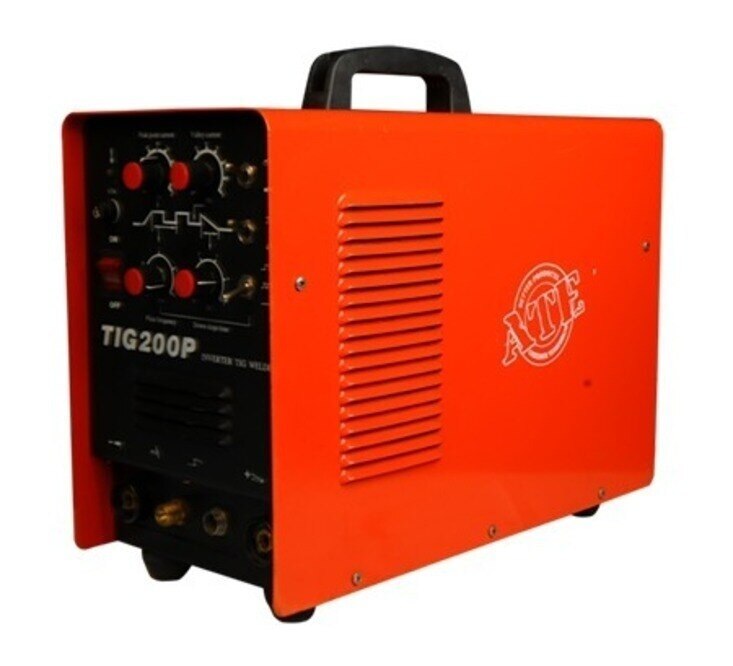
Dust, monsoon moisture, gas leaks, contaminated tungsten and thermal overloads can turn a reliable TIG setup into a source of porosity, unstable arcs and production stoppages. You will be able to build a shift-to-annual maintenance routine, isolate faults safely and define the service records and support needed to recover the machine without repeated resets.
Key takeaways
- Schedule inspections around Pune dust, monsoon moisture and production loading.
- Clean the tungsten, torch and gas path without contaminating components.
- Isolate power before servicing cooling, electrical connections or airflow.
- Check cables, gas flow and cooling before attempting machine recovery.
Build a TIG maintenance schedule around Pune shop conditions
A dependable production TIG machine needs a calendar, not occasional cleaning. Build tig welder maintenance around dry-season dust, monsoon condensation, production loading and the automation hardware attached to the torch.
- Every shift: Check input voltage, gas-cylinder pressure, regulator setting, hose leaks, post-flow, torch condition, tungsten contamination, work-lead connection, coolant level and visible fault codes. Confirm the fan runs and keep the power source off the floor with intake and exhaust airflow clear.
- Every week: Clean dust from external filters, fans and louvers without blowing debris into an energized cabinet. Inspect the torch body, cable, strain relief, gas and coolant lines, ceramic cup, collet, gas lens and robotic dress-pack routing. Look for sharp bends, crushed hoses and a loose torch mount.
- Every month: Record output current, duty-cycle loading, gas-flow setting, coolant condition and fan operation under production load. Inspect cabinet seals and the end-of-arm connector; after a collision or torch replacement, verify the TCP and programmed approach positions.
- Every year: Have a qualified person isolate mains power, follow the manufacturer’s DC-link capacitor discharge procedure and complete electrical, insulation, grounding and calibration checks. Inspect internal filters and connections, and test damp equipment before energising it after a monsoon shutdown.
This tig welding machine care in Pune schedule creates trend records, not just pass/fail stickers. Stop welding after a fault, record its code and conditions, correct the physical cause, allow the specified cooling or reset time, then release the machine only after a coupon test.
Clean the torch, tungsten and shielding-gas path without creating new faults
Clean only after stopping the arc, isolating mains power where covers must be opened, and closing the argon cylinder. Let hot parts cool. Good tig welding machine care in Pune prevents a dirty torch from being mistaken for a current or automation fault.
- Torch body: wipe with a lint-free cloth and inspect cracks, loose fittings and burn marks. Do not flood the torch with solvent.
- Collet and collet body: remove them, brush away oxide and metal dust, then replace a damaged collet or distorted body. A poor grip creates arc instability.
- Gas lens: inspect its screen for blocked holes, dents and spatter. Replace a contaminated or damaged lens; increasing argon flow will not repair restricted shielding.
- Ceramic cup: clean light deposits with a soft brush and replace any cracked, chipped or internally spattered cup.
- Tungsten: remove contamination, cut back the affected section and grind lengthwise, not around the electrode. Use the specified angle and replace it when it is undersized or repeatedly contaminated.
- Cables and hoses: check the torch cable, work lead and gas hose for cuts, crushed sections, heat damage and loose connections. Do not tape over a gas leak.
- Regulator and flowmeter: inspect the gauge faces, fittings and hose connection, then verify actual flow at the torch with a suitable flowmeter.
- Machine vents: isolate power, keep vents dry and vacuum dust from the grille. Do not blow compressed air into an energized machine.
Check drafts around the weld and avoid excessive flow, which can pull air into the shielding. Record the cleaning date and defects in your tig welder maintenance log.
Service cooling, electrical connections and airflow with safe isolation
Start by isolating mains power, closing shielding gas, and applying the site lockout procedure before removing covers. Allow DC-link capacitors to discharge for the time stated in the manufacturer’s manual; only a qualified person may perform live-voltage measurements. Good TIG welder maintenance separates this inspection from cleaning.
For a water-cooled torch, inspect these points with the machine isolated:
- Coolant level and flow indicator: low flow can overheat the torch while the pump still runs.
- Hoses and quick-connects: replace cracked lines, loose fittings, or wet couplers before welding.
- Radiator, fan and filter: remove dust without bending fins.
- Coolant condition: use only the specified fluid; tap water or incompatible additives can cause corrosion, biological growth, deposits, or conductive faults.
- Torch and cable area: find leaks before coolant reaches electrical connections.
Keep the power source off the floor, with intake and exhaust openings clear. Inspect filters, fans, louvers and cabinet seals more closely during Pune’s dry dusty periods. After a monsoon shutdown, treat condensation as a fault: do not energise a damp machine until insulation and electrical checks pass.
Never blow compressed air indiscriminately into an energised cabinet; it can drive conductive dust deeper into power electronics. Tighten or replace damaged electrical connections only under the manufacturer’s procedure.
Base TIG welding machine for maintenance in Pune intervals on the manual, loading and site rules; IEC 60974-4 provides periodic inspection guidance, not permission to skip qualified testing.
Troubleshoot the simplest cause before attempting TIG welding machine recovery
Stop welding and diagnose in a fixed order: a porous weld points first to shielding, while failure to start points first to tungsten, return, torch or ignition faults. Record the fault code, amperage, gas setting, material, cycle time and exact symptom before changing anything.
1. Check shielding gas. Confirm cylinder supply, regulator, hose, fittings, solenoid, torch body, gas lens and cup. Measure actual flow at the torch, inspect for leaks and drafts, and reduce excessive flow if turbulence is pulling air into the arc.
2. Inspect the tungsten. Replace a contaminated or badly ground electrode, check its diameter and polarity, and correct excessive stick-out. A dirty tungsten can make the arc wander, darken the weld or prevent reliable starting.
3. Check the torch assembly. Replace a cracked ceramic cup, split hose, damaged collet, distorted collet body or blocked gas-lens screen. Do not compensate for damaged parts by increasing argon flow.
4. Check the work return and electrical connections. Confirm clean metal contact, correct polarity, intact torch leads and secure plugs. A poor return can mimic a failed high-frequency start.
5. Check thermal conditions. Read the over-temperature or over-current code, verify coolant and airflow, then allow the manufacturer-specified cooling and reset time. Repeated resetting is not TIG welding machine recovery.
6. Check automation last. Verify interlocks, robot enable signals, program selection, wire or fixture position and start commands. Qualified personnel must isolate mains power and test live circuits.
Test the correction on a clean coupon before releasing the machine. This tig welding machine troubleshooting sequence prevents an automation fault from hiding a simple gas or tungsten failure.
Turn maintenance records and supplier support into production protection
Require a service pack before accepting a manual or robotic system, not merely a warranty certificate. For a TIG welding machine for maintenance in Pune, the pack must show who diagnoses faults, which parts are compatible, and how quickly production support begins.
Ask the supplier to provide:
- A machine-specific wiring diagram, terminal identification and electrical-isolation procedure.
- Fault-code definitions with the checks and reset conditions for each code.
- Calibration or verification procedures for current, voltage, gas flow, wire position and robotic torch alignment.
- A backed-up copy of welding parameters, robot programs, PLC settings and software versions.
- Part numbers for torches, collets, gas lenses, coolant pumps, filters, fans, hoses and seals.
- A written response target for remote diagnosis, site attendance and TIG welding machine recovery.
- Service reports recording fault conditions, test results, replaced parts and the release test coupon.
Use one controlled log for input voltage, output current, duty-cycle loading, fault codes, fan operation, torch condition, gas flow and coolant condition. Trend these readings against production load; a pass sticker will not reveal an intermittent thermal or shielding-gas fault.
Ask ATE WELDING ENGINEERING ROBOTICS AND AUTOMATION PRIVATE LIMITED to define whether its support covers the power source, torch package, robot interface and parameter restoration, or only the machine cabinet. Base inspection intervals on the manufacturer’s manual, site rules and IEC 60974-4, then retain signed records for every intervention.
Related product
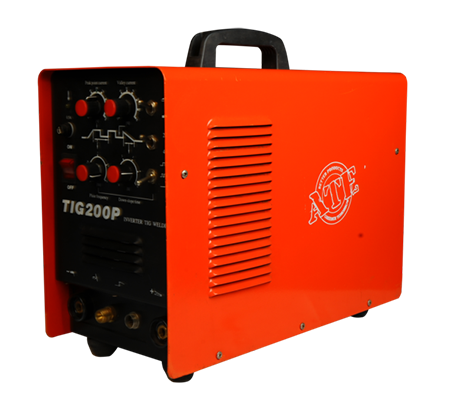 | TIG Welding Machine Precision and High-Quality Welding At ATE Welding Engineering & Robotic Automation, we specialize in TIG (Tungsten Inert Gas) welding machines,... View product → |
Frequently asked questions
How should you schedule TIG welder maintenance in Pune?
Build inspections around dry-season dust, monsoon condensation, production loading and the automation hardware connected to the torch.
How do you clean a TIG torch and shielding-gas path safely?
Clean the torch, collet, nozzle, tungsten and gas connections without introducing oil, moisture or debris into the shielding path.
What must you do before servicing a TIG welding machine?
Isolate the machine safely before checking cooling systems, electrical connections, fans, filters or airflow.
What should you check during TIG welding machine troubleshooting?
Check simple causes first, including tungsten condition, gas flow, cable connections, cooling and airflow, before attempting machine recovery.