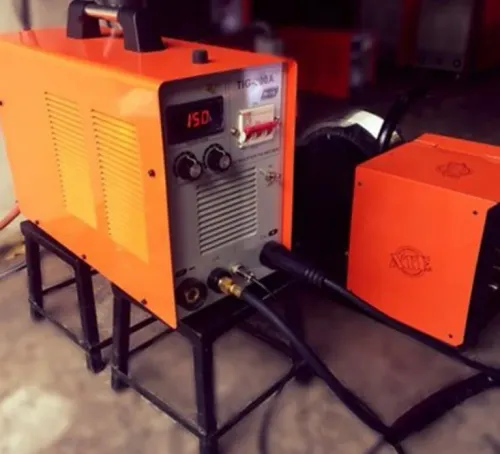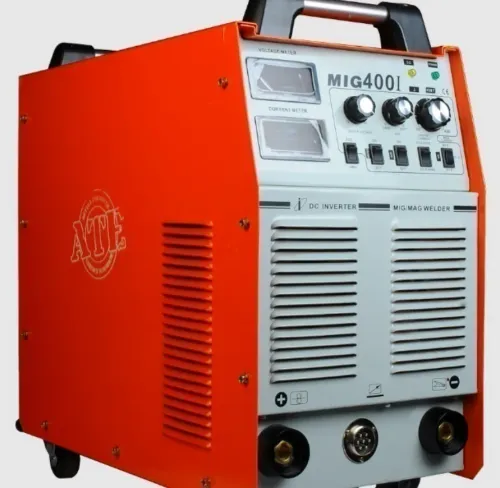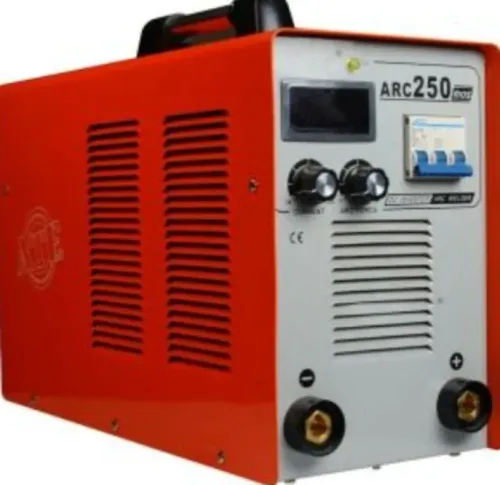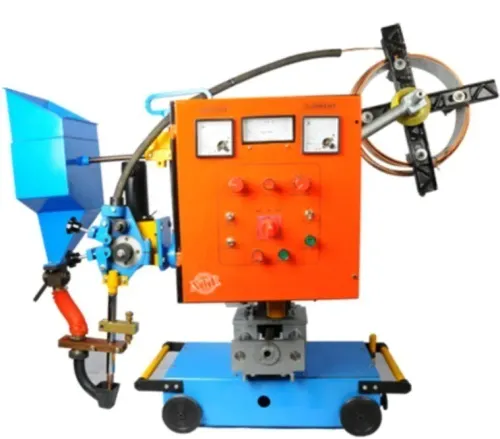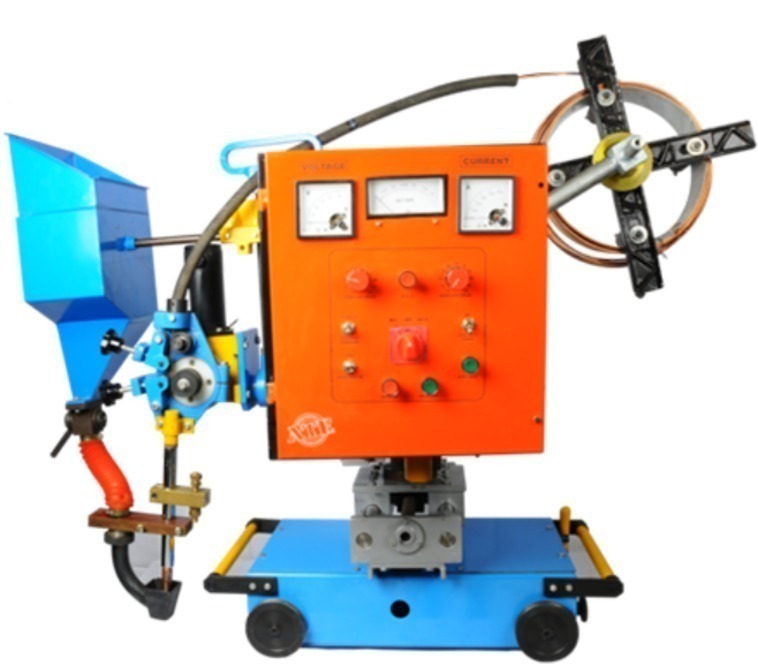
A sub arc welder is often associated with industries where large-scale fabrication and continuous welding are part of everyday production. Whether manufacturing pressure vessels, structural steel, pipelines, or heavy engineering equipment, this welding process delivers efficiency that many industrial applications require.
Heavy fabrication projects involve more than joining thick metal sections. They require repeatable quality, deep weld penetration, and consistent productivity throughout long manufacturing cycles. Submerged arc welding addresses these needs by creating stable welds beneath a protective layer of granular flux, reducing atmospheric contamination during the welding process.
Across Pune's growing industrial landscape, manufacturers continue investing in equipment that improves both output and quality. As production volumes increase, businesses look for welding systems capable of maintaining performance without frequent interruptions or excessive operator fatigue.
One advantage of submerged arc welding is its suitability for long, continuous welds. High deposition rates allow manufacturers to complete demanding fabrication work more efficiently compared to certain conventional welding processes. For facilities handling repetitive industrial production, this can translate into improved workflow and better resource utilization.
Consistency also plays a major role. Industrial customers expect components that meet stringent quality requirements across every production batch. Reliable welding equipment helps reduce variation while supporting quality assurance objectives.
Selecting a sub arc welding system involves evaluating several practical factors, including workpiece thickness, production volume, automation compatibility, and available workshop infrastructure. The right machine should complement both present manufacturing needs and future expansion plans.
Automation is another area where submerged arc welding continues evolving. Integration with automated welding systems allows manufacturers to improve repeatability while reducing manual intervention for suitable applications. As Industry 4.0 adoption increases, automated welding solutions are becoming more common across advanced fabrication facilities.
ATE Welding Engineering Robotics and Automation Private Limited provides industrial welding technologies that support modern manufacturing environments. Solutions designed for demanding fabrication applications help businesses improve efficiency while maintaining consistent weld quality throughout production.
Every heavy engineering project brings its own technical challenges. Understanding how a sub arc welder contributes to productivity, weld integrity, and long-term manufacturing performance helps businesses make informed equipment decisions that support sustainable growth.
Manufacturers across Pune continue strengthening their production capabilities by investing in welding technology that balances precision, efficiency, and operational reliability for years ahead.