Rain, condensation and high humidity do not automatically make welding impossible, but they change the electrical and weld-quality risks. By the end, you will be able to separate safe sheltered operation from a stop-work condition and prepare a MIG or TIG setup for Pune’s wet season.
Key takeaways
- Keep the arc, power source, cables and connections completely dry.
- Use a roofed, ventilated area with no rain splash or standing water.
- Inspect plugs, earth connections, torch leads and insulation before energising.
- Stop welding when water reaches the equipment, workpiece or operator area.
When Is a MIG or TIG Welder Safe to Use in Monsoon Conditions?
Humidity alone does not make a MIG or TIG welder unsafe, but water at the arc, power source or connections does. The practical answer for a MIG and TIG welder monsoon in Pune is conditional: use it only in a dry, ventilated work area. An industrial machine is not automatically rain-capable.
Exposed rain creates electric-shock, short-circuit and equipment-damage risks.
| Condition | Safe boundary |
|---|---|
| Humid air | Acceptable when the machine, cables and operator remain dry and within the manufacturer’s environmental limits. |
| Light condensation | Stop if moisture forms on plugs, controls, cables or inside the enclosure; isolate and dry the equipment before use. |
| Rain or splash | Not acceptable at the arc, power source, plugs, lower ventilation openings or connections. A roof must block wind-driven rain. |
| Flooding or standing water | Do not energise or weld. Keep the machine and operator away from immersion and conductive surfaces. |
Check the enclosure marking on every component. Under IEC 60529, IP21 covers vertically falling water drops, while IP23 covers water spraying up to 60 degrees from vertical. Neither rating permits driving rain, hose spray, standing water or immersion. Wet plugs, damaged insulation, earth-leakage trips and water entering the enclosure require immediate isolation.
An RCD or GFCI adds protection but does not replace protective earthing, dry gloves, insulation or a dry platform. If damp-area welding cannot be relocated, use an insulating mat or platform and separate yourself from conductive surfaces. Stop when gloves or clothing become wet.
How Should You Set Up Welding Equipment During Monsoon in Pune?
Set up welding equipment during monsoon in Pune inside a roofed, ventilated shelter that blocks wind-driven rain without sealing the machine in airtight plastic.
Preserve the manufacturer’s cooling-air intake, exhaust path and clearance distances: a sealed cover can overheat an inverter welder, while an open-sided cover can still expose fans, receptacles and control boards to spray.
1. Raise the power source, wire feeder, plugs, extension-cord ends, remote connectors and cable joints above the floor and outside splash zones. Do not leave any connection beneath a dripping beam or where water can pool.
2. Inspect the roof before each shift for leaks, dripping beams and runoff. A roof alone fails if wind-driven rain reaches the arc, ventilation openings or electrical connections.
3. Keep gas cylinders upright, secured and capped when disconnected. Shield regulators, solenoid connections and hose fittings from rain without restricting access for inspection.
4. Route cables away from wet floors, sharp edges and vehicle paths. Store cables, torches and accessories in a waterproof but ventilated cabinet or container, and replace damaged insulation instead of repeatedly covering it with tape.
5. Use intact, dry gloves, insulating footwear and a dry platform where the site risk assessment requires them. Stop if clothing or gloves become wet.
This is practical mig tig welder monsoon care, not a paperwork exercise. An industrial-use label does not make a machine rain-capable; keep the complete setup dry, ventilated and outside splash exposure.
What Must You Inspect Before Energising a Wet-Season Welding System?
Before each shift, inspect the complete MIG welding machine in monsoon conditions, not just its outer cabinet. Confirm the workpiece and floor are dry, then check these points:
- Examine the power cable for cracked insulation, cuts and recurring wet damage; replace it instead of wrapping tape around the affected section.
- Check the plug for wet faces, corrosion and loose parts. Verify the protective-earth connection and earth point are tight.
- Inspect the torch or MIG gun, trigger, remote-control connectors and torch connectors for dampness, corrosion or water marks.
- Check the gas hose, regulator, solenoid connections and fittings for moisture, leaks and corrosion.
- Inspect the wire feeder, drive rolls and contact tip for rust, contamination and restricted wire movement.
- Check the cooling fan and every ventilation opening for blocked airflow, mud, insects or water entry.
- Look through accessible covers for water marks or condensation inside the enclosure; do not remove covers unless authorised.
After rain, condensation or wash-down reaches the equipment, isolate the supply and unplug the machine. Do not energise it to see whether it still works. Follow the manufacturer’s drying and service procedure, then have a qualified person inspect insulation, connectors, switches, earth continuity and the cooling fan before return to service.
For MIG TIG welder monsoon care, inspect water-cooled TIG torch coolant hoses, fittings and leaks as separate failure points. Record each inspection for shared workshop equipment.
How Do Humidity and Wet Materials Affect MIG and TIG Weld Quality?
A machine can power up and still produce unsafe or defective welds. For a MIG and TIG welder in wet weather, dry the steel, joint faces, filler rod, gloves and surrounding work surface before striking the arc. Trapped water can cause porosity, unstable arc behaviour and hydrogen-related cracking in susceptible steels.
| Condition | Likely result | Correct response |
|---|---|---|
| Wet steel or joint faces | Porosity and cracking risk | Dry and clean the joint; use the welding procedure’s specified drying or preheat temperature |
| Monsoon gusts at the arc | Shielding-gas loss and atmospheric contamination | Install a windbreak and verify flow at the torch |
| Excessive gas flow | Turbulence that draws in air | Clean the nozzle and diffuser; do not simply increase flow |
| Rusty MIG wire | Erratic feed, liner or contact-tip damage, burn-back | Keep wire sealed and dry; reject visibly rusted wire |
| Damp TIG tungsten or cup | Arc instability and shielding failure | Re-grind the tungsten and clean the cup and gas path |
For a MIG welding machine in monsoon conditions, inspect these points before welding:
- Keep filler rod, MIG wire, tungsten and gloves dry. Stop if gloves or clothing become wet.
- Remove oil, rust and coatings from the joint faces.
- Do not use an open flame near gas hoses or cables; follow the procedure’s specified preheat temperature.
- Check regulators and the gas path for moisture, icing or malfunction.
- For TIG, clean the filler rod, ceramic cup and tungsten. Inspect water-cooled torch hoses for leaks.
- Keep the work surface and floor dry; wet contact surfaces increase shock risk.
What Is the Monsoon Go/No-Go Decision for Your Welding Cell?
Proceed only when the cell is dry, electrically protected and within every component’s environmental rating. For welding equipment during monsoon in Pune, a roof alone is not enough if wind-driven rain or condensation reaches the work area.
1. Give a go decision only after confirming no rain or splash at the arc or electrical connections, dry and undamaged cables and gloves, verified protective earthing and residual-current protection, dry base metal, stable shielding gas and compliant environmental limits.
2. Relocate the job to a dry, ventilated shelter when any condition fails. Stop immediately for standing water, wet operator contact surfaces, water inside a cabinet, failed earthing or an unverified rating.
3. For the MIG and TIG welder monsoon in Pune assessment, check each exposed item, not just the power source. IP21 covers vertical water drops; IP23 covers spray up to 60 degrees from vertical. Neither authorises driving rain, hose spray, flooding or immersion.
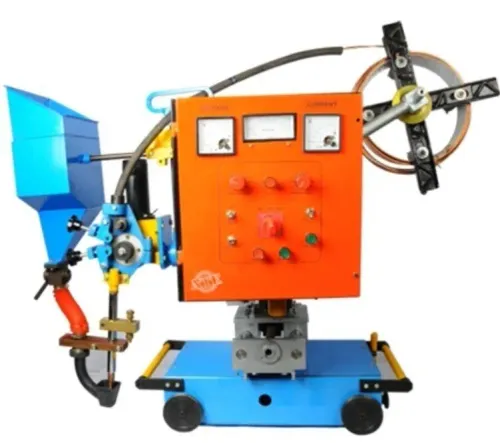
4. In a robotic cell, obtain ratings and condensation controls for the controller, teach pendant, pendant connector, torch dress pack, wire feeder, positioner, seam-tracking sensor and external junction boxes. Approved cabinet heaters or dehumidification manage condensation; they do not correct flooding.
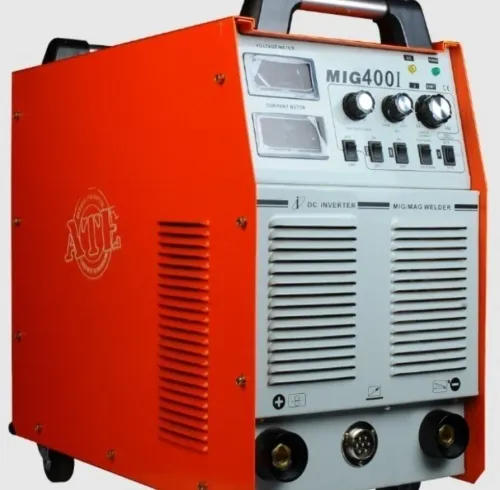
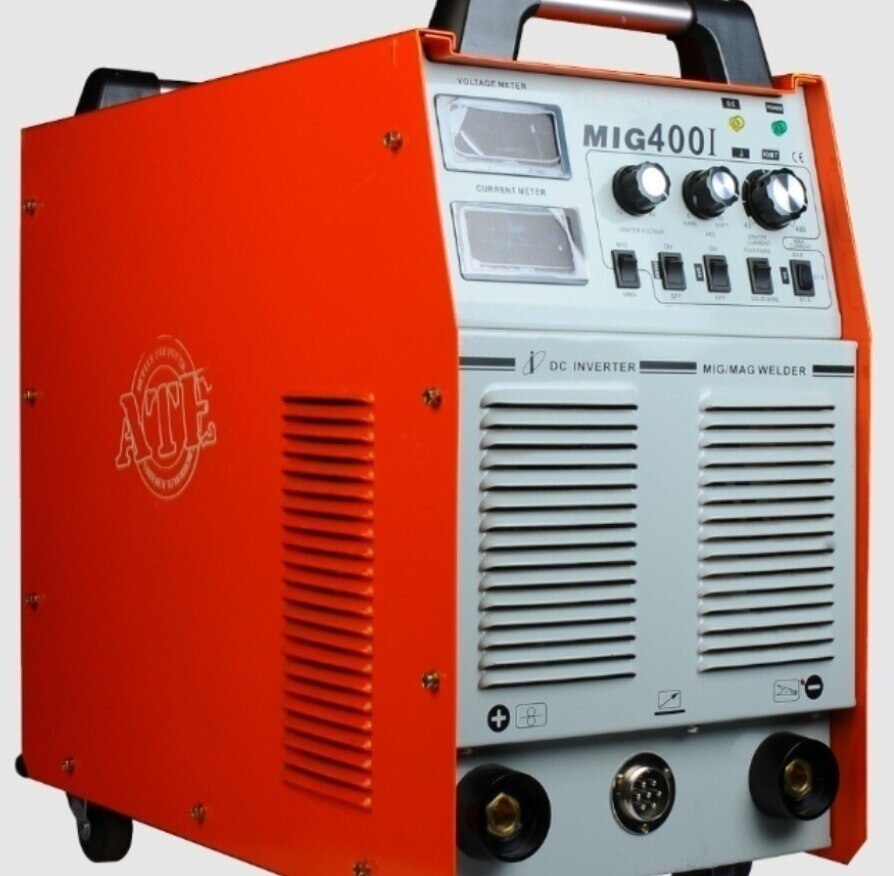
When comparing equipment or planning the shelter, ATE WELDING ENGINEERING ROBOTICS AND AUTOMATION PRIVATE LIMITED can review the complete installation, including connections, automation devices and enclosure conditions—not only the power source.
Related products
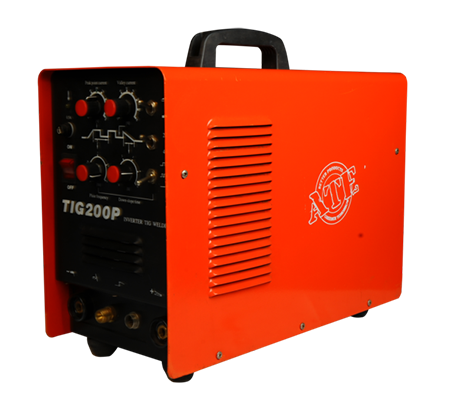 | TIG Welding Machine Precision and High-Quality Welding At ATE Welding Engineering & Robotic Automation, we specialize in TIG (Tungsten Inert Gas) welding machines,... View product → |
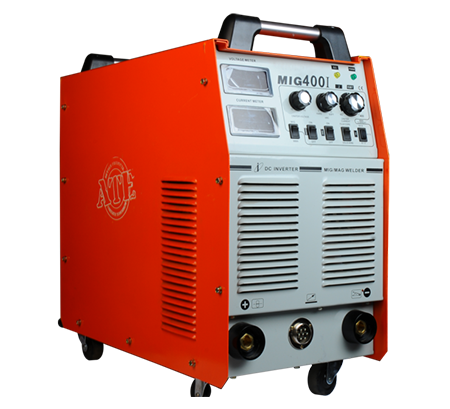 | MIG Welding Machine High-Speed and Versatile Welding Solutions At ATE Welding Engineering & Robotic Automation, we offer advanced MIG (Metal Inert Gas) welding machines... View product → |
Frequently asked questions
When is a MIG or TIG welder safe to use during the Pune monsoon?
Use it only in a dry, ventilated work area where rain, splash, standing water and condensation cannot reach the arc, power source, cables or connections. Humidity alone is not the deciding hazard.
How should you set up welding equipment during the monsoon in Pune?
Place the welding machine under a roof with protection from wind-driven rain, keep it off the floor, route cables away from puddles, and maintain ventilation around the power source. Do not seal the machine in a cover while it is operating.
What must you inspect before energising a wet-season welding system?
Check the plug, socket, earth connection, torch and electrode leads, gas hoses, connectors, insulation and machine enclosure. Do not energise equipment with wet surfaces, damaged insulation, loose connections or visible condensation.
How do humidity and wet materials affect MIG and TIG weld quality?
Moisture can contaminate the weld area, destabilise shielding gas protection and increase porosity, spatter or tungsten contamination. Dry and clean the joint, confirm gas flow, and keep filler wire and electrodes protected from moisture.
When is a monsoon welding cell a no-go?
Stop the job if rain or splash can reach the welding area, water is present near electrical equipment, insulation is damaged, condensation is visible, the workpiece is wet, or the operator cannot stand on a dry insulated surface.